
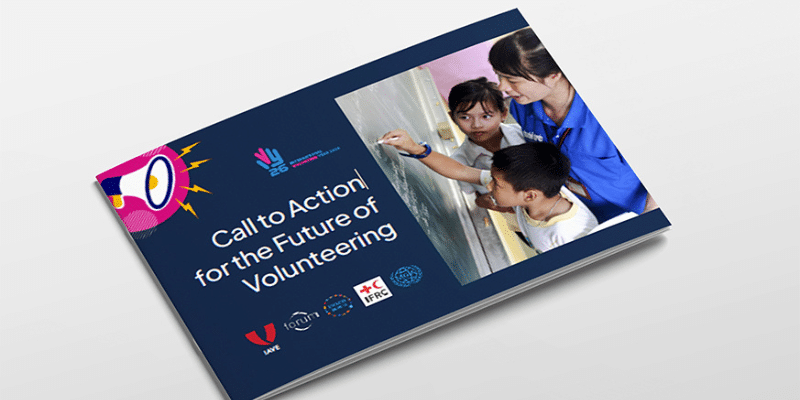
“The Call to Action argues that safeguarding volunteering should not be understood solely in terms of physical safety. Volunteers must also be able to organise, participate and advocate without fear of intimidation, exploitation, harassment or retaliation. In this sense, safeguarding volunteering and safeguarding civic space are deeply interconnected. The implications extend well beyond the volunteering sector.”
As the International Year of Volunteers for Sustainable Development (IVY 2026) comes to a close, Dervla King from Comhlámh reflects on one of the central themes of the global Call to Action for the Future of Volunteering: the urgent need to safeguard volunteers and create environments in which volunteering can thrive. Drawing on examples from humanitarian crises, migrant solidarity initiatives in Ireland and the UK, and wider European concerns about shrinking civic space, she discusses how volunteer safety must be understood as more than physical protection. Increasingly, volunteers face harassment, intimidation, disinformation and public hostility that can raise the personal costs of civic participation and discourage engagement.
The piece explores how these pressures affect not only volunteers and volunteer-involving organisations, but also the social trust, participation and community networks upon which resilience and preparedness planning depends.
Read Dervla’s full reflection: Volunteering, Civic Space and Resilience – Why Safeguarding Volunteers Matters